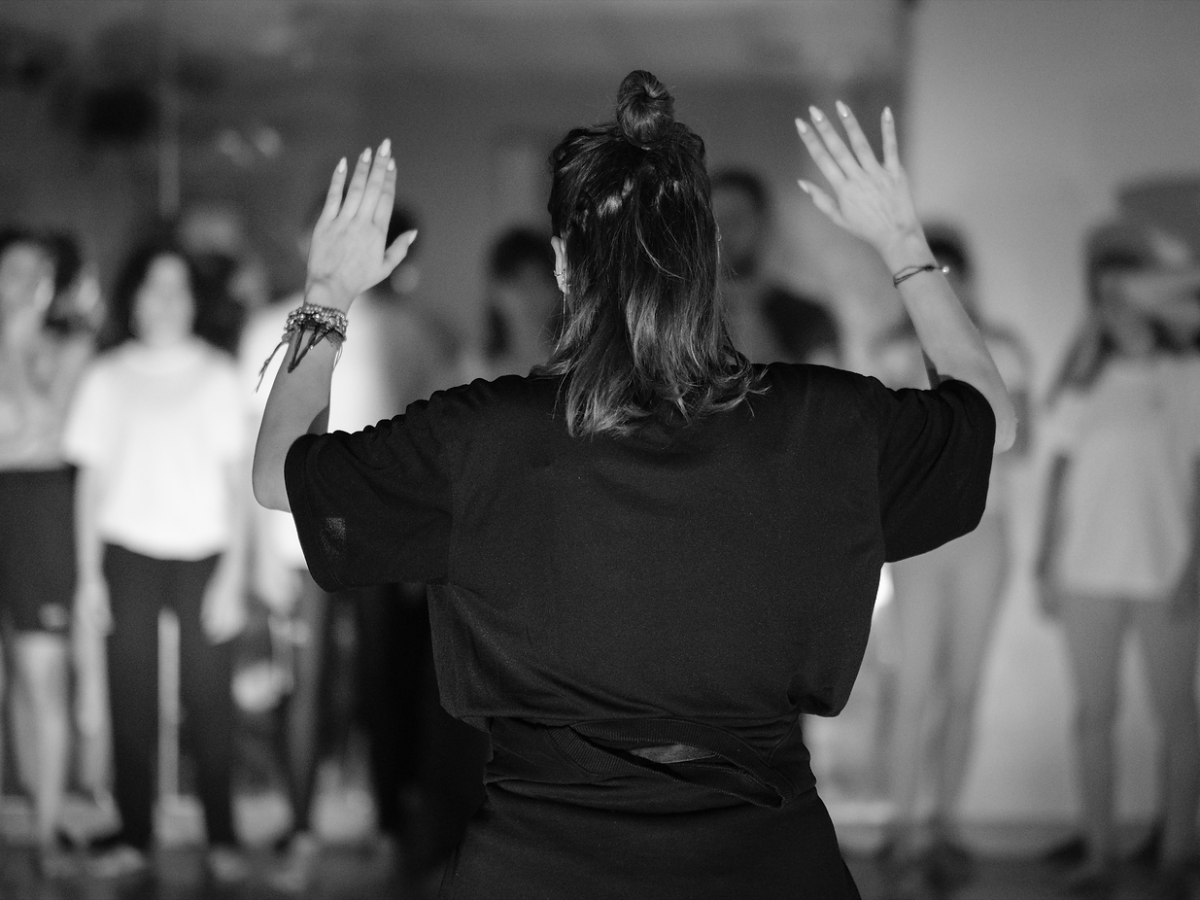
In acting, we’re privileged to embody diverse characters, each with their unique stories. These roles are a tapestry of human existence woven by writers’ aspirations, quests, and experiences. As actors, our task is to understand and portray these intricate dynamics. As individuals with our own stories, we sometimes face roles that hit too close to home, prompting a fundamental question:
How can we successfully navigate emotionally challenging roles that deeply resonate with our own experiences?
The Crucial Distinction
There is a profound distinction between reenacting trauma, and embarking on a creative and constructive journey with it. Reenacting trauma can be compared to hitting the replay button on distressing memories without any significant reflection and transformation. It’s like reliving those painful experiences without any substantial change in the way we perceive or process them. This often results in a cycle of suffering that doesn’t lead to healing or growth.
The Dark Side of Acting
In many acting classes around the world, I’ve witnessed teachers provoking their actors to reenact traumatic states in an attempt to elicit powerful performances.
The Unfulfilling Result
Actors delving into dark and personal places often yield inadequate and blocked performances, leaving the audience with a suffocating and worrying experience.
The Ongoing Dilemma
The question arises: Must actors traumatise themselves regularly in order to deliver a performance on stage or screen?
The Ancient Essence of Performance
Since ancient times, theater and performance, firmly rooted in the pursuit of catharsis, have aspired to elevate the human spirit on every level.
The Transformative Power of Creativity
Engaging with trauma in a constructive manner requires a thoughtful approach. The objective is to attain performances that feel liberating while maintaining a compassionate awareness of the elements that resonate deeply. On a personal level, such mindfulness can be profoundly transformative, guiding individuals toward self-compassion and introspection. This process cultivates personal growth and resilience, enabling individuals to deliver exceptional performances. These portrayals not only avoid harm but also liberate actors from the confines of their challenging personal circumstances, expanding their range of freely undertaken roles. In my experience, such performances are genuinely exceptional, as they emanate from the unburdened spirit and authentic essence of the actor.
Empowering Actors
At the Lab, we’ve developed a philosophy and techniques that enable actors to always attain a state of catharsis as a foundational element of their acting toolbox, ensuring that every role becomes an elevating and pleasurable experience.
Success Stories
In our workshops and private coaching, we’ve consistently demonstrated that our actors can excel in portraying all characters. Their remarkable effectiveness, success, and international acclaim are a testament to their wholehearted embrace of their roles, which they infuse with a unique blend of joy, authenticity, and innovation.
Thriving Feedback
Here are some of the talented actors I’ve had the privilege of coaching over the years, guiding them through a multitude of roles:
Simona Brown, for the Netflix series ‘Behind Her Eyes.’ (pictured above)
Doris Tislar, for the Netflix series ‘Estonia.’
Sophie Aujesky, for ‘Tatort’ for ARD.
Roda Fawaz, for ‘1985’ for VRT & RTBF.
Alex Mc Moran, for the West End’s production of ‘Heathers,’
Tom Kelsey, for the West End’s production of ‘A Little Life.’
The Invitation
In light of these successes, I invite you all to clearly understand the distinction between harming oneself and engaging in a creative process with a challenging role that explores unresolved aspects of your psyche.
Yorgos is a writer and coach dedicated to exploring the art of presence through acting, embodiment, and lived experience. His work centers on guiding performers and professionals toward deep physical and mental awareness, using deconditioning as a pathway to authenticity. Through his articles, he examines how presence is cultivated in the body, how habits shape performance, and how greater awareness can unlock both personal and professional freedom.
Recently, as part of an acting class I've been taking, the course leader made a statement I'm not entirely sure I agree with. He said, "All actors are liars. The job of the performer is to convincingly lie in imaginary circumstances." Something…
When we work with our minds, and bring awareness to our constraining patterns, our goal is to delve into the space of unique freedom in expression, breaking free from imitation, frustration, and negativity.
Tarkovsky gives a lot of importance to his childhood, as he believes it’s the first and foremost source of inspiration for creativity. No wonder his first movie « Ivan’s Childhood » is such a masterpiece… also the power of innocence, naiveness, the…